

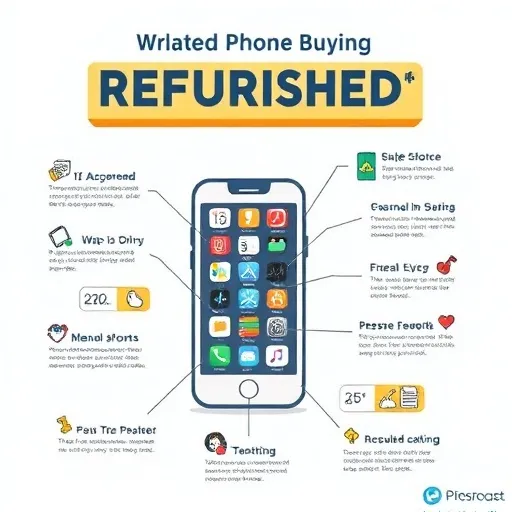
Refurbished phones h
What "Refurbished" Actually Means (Because It's Not One Thing)
Here's where tons of shoppers get tripped up when they start wondering is a refurbished phone worth buying. The word "refurbished" gets tossed around like it's one single, standardized category, but it totally isn't. In real life, you'll run into at least three distinct tiers, and knowing which one you're dealing with is basically the whole ballgame when you ask yourself is a refurbished phone worth buying.
- Manufacturer-refurbished: The device went back to the original maker, got inspected, repaired with genuine parts if needed, and reset to factory specs. This is the gold standard, and it usually comes with a proper warranty. If you're weighing is a refurbished phone worth buying, this tier is the easiest yes.
- Certified refurbished: A third-party refurbisher (often a large, reputable reseller) puts the device through a multi-point inspection, replaces the battery if it falls below a health threshold, and slaps on their own guarantee. Quality varies, but the better programs are genuinely solid—and they're a big reason is a refurbished phone worth buying keeps trending toward yes.
- Seller-refurbished / "renewed": This is the wild west. It might mean a full teardown and rebuild, or it might mean someone wiped the screen with a cloth and called it a day. The label alone tells you almost nothing—you have to look at the grading and the return policy before you can honestly answer is a refurbished phone worth buying for that particular listing.
So when someone asks is a refurbished phone worth buying, the honest answer is: it depends entirely on which of those three buckets you're shopping in. A manufacturer-refurbished unit is a very different proposition from a mystery device sold by an anonymous third party.
Why the Tier Matters So Much for Your Wallet and Peace of Mind
Think of it this way: the label on the box is marketing, but the inspection process behind it is the real story. A certified program that documents battery replacement and runs a multi-point inspection gives you something to hold the seller accountable to. A vague "renewed" tag gives you nothing. That distinction is exactly why the question is a refurbished phone worth buying can't be answered with a blanket yes or no—it's a seller-by-seller, listing-by-listing call.
The Case For Refurbished: Where the Real Value Lives
1. You're Paying for Performance and Camera Quality, Not Packaging
Think about what you actually use a phone for: messaging, photos, maps, streaming, maybe some mobile gaming, and a whole lot of scrolling. A two-year-old flagship often handles all of that better than a brand-new budget device at the same price. That's the core argument behind is a refurbished phone worth buying—you get former top-tier hardware for current mid-tier money. The camera sensor that cost a fortune to develop two years ago is still a fantastic camera sensor today, and the performance gap between old flagship and new budget is often bigger than people expect.
2. The Environmental Angle Is No Longer a Niche Concern
In 2026, sustainability isn't a marketing buzzword anymore—it's a genuine purchasing criterion for a lot of people, and it factors directly into is a refurbished phone worth buying. Extending the life of an existing device keeps it out of the waste stream and reduces demand for new raw materials. If you care about your carbon footprint even a little, buying refurbished is one of the lowest-effort, high-impact choices you can make in consumer tech. A certified refurbished phone that gets used for another three years is, quite literally, three years of manufacturing emissions you didn't trigger.
3. The Savings Are Real, Immediate, and Measurable
Typical discounts on refurbished flagships land somewhere between 25% and 50% off the original retail price, depending on the model's age and the grade you choose. That's not a coupon-code level discount—that's a "buy a decent laptop instead" level of savings. And because modern phones hold their performance for years, you're not sacrificing much in day-to-day experience. When people ask is a refurbished phone worth buying, this price gap is usually the answer that wins them over.
4. Warranty Coverage and Battery Guarantees Have Gotten Genuinely Good
This is the part that changed the most over the past few years, and it's a huge reason is a refurbished phone worth buying now feels like a safer bet. Reputable refurbishers routinely offer 12-month warranties, and some manufacturer-refurbished programs match or approach the coverage you'd get on a new device. Battery health guarantees are also more common—many programs promise a minimum of 80% capacity, and the best ones go higher. That removes a huge chunk of the historical risk.
The Case Against: Where Refurbished Hardware Can Bite You
1. Battery Degradation Is the Silent Variable in Every Used Device
Batteries age. That's physics, not a conspiracy. A refurbished phone that's two years old may have a battery that's already cycled through hundreds of charges. If the refurbisher didn't replace it, you might find yourself at 78% health on day one, which means noticeably shorter screen-on time. Always check whether the battery was replaced and what the guaranteed minimum health is. This is the single most important spec to verify when you're deciding is a refurbished phone worth buying.
2. Cosmetic Grading Is Subjective Across Every Reseller
"Excellent condition" means different things to different sellers. One refurbisher's "excellent" is another's "good." If you're someone who notices a hairline scratch on the bezel, buy from a seller with clear photos of the actual unit, or stick to grades that promise a pristine screen. Otherwise, manage your expectations: a refurbished phone is a used phone, and it will usually show some evidence of that.
3. Water Resistance May Not Survive the Refurbishment Process
Here's a subtle one most people miss. When a device is opened for repair, the factory seals that provide water and dust resistance can be compromised unless the refurbisher re-applies proper gaskets. Not every program does. If you're someone who takes their phone near pools or in the rain, ask specifically about water resistance certification post-refurbishment. Reputable programs will be able to answer this; sketchy ones won't—and that silence should factor into is a refurbished phone worth buying from them.
4. Return Windows Can Be Short, and That's Your Safety Net
Some refurbished sellers give you 14 days to return, some give you 30, and some give you almost nothing. The return policy is your safety net for the inevitable "wait, the speaker sounds weird" moment. Never buy refurbished from a seller with a stingy return policy, no matter how good the price looks.
How to Vet a Refurbished Phone Before You Buy
Okay, so you're leaning toward yes on is a refurbished phone worth buying. Here's the practical checklist I'd run through before hitting the buy button:
- Check the warranty length and what it covers. A 12-month warranty that covers hardware defects is the baseline. Anything less is a red flag.
- Confirm the battery health policy. Look for a guaranteed minimum (80% is the common floor, but higher is better) and whether the battery was replaced outright.
- Read the grading definitions carefully. Don't assume "good" means what you think it means. Find the seller's exact description.
- Look for a multi-point inspection claim and what it includes. Screen, camera, speakers, ports, buttons, connectivity—a real inspection covers all of it.
- Check the return policy and restocking fees. Free returns within 30 days is the ideal. A restocking fee on a defective unit is unacceptable.
- Verify the device is carrier-unlocked unless you specifically want a carrier-locked unit at a lower price.
- Check for a clean IMEI and activation lock removal. Any reputable seller will guarantee this. If they dodge the question, walk away.
- Read recent reviews from the past six months. Refurbishers can change hands or quality standards; old reviews aren't reliable.
Who Should Actually Buy Refurbished (and Who Shouldn't)
Refurbished is a fantastic fit for a few specific profiles wondering is a refurbished phone worth buying:
- The value hunter who wants flagship-tier cameras and performance without the flagship price.
- The secondary-device buyer who needs a reliable backup phone, a travel phone, or a device for a kid.
- The sustainability-minded shopper who'd rather extend a device's life than add to the e-waste pile.
- The pragmatic upgrader who replaces their phone every three to four years and doesn't need the newest chip on day one.
It's a worse fit for:
- The must-have-newest person who wants the latest camera system and software features on launch day.
- The heavy power user who runs the most demanding games and needs maximum sustained performance.
- The risk-averse buyer who loses sleep over any possibility of a defect, even a covered one.
- The person with zero patience for returns—because even with the best sellers, occasionally you'll get a dud and need to swap it.
The 2026 Landscape: What's Changed for Refurbished Devices
A few years ago, buying refurbished felt like a gamble. In 2026, the market has professionalized in a meaningful way, and that shift is central to is a refurbished phone worth buying today. Certification programs are more standardized, battery replacement is more routinely included, and the better resellers now compete on warranty and service rather than just price. The rise of trade-in and buy-back programs has also flooded the market with higher-quality inventory, which means the average refurbished device you encounter today is in better shape than the average one from five years ago.
At the same time, the pricing gap has narrowed slightly on the newest models. Because so many people are holding onto devices longer, the supply of recent-generation refurbished units isn't as abundant as it once was. That means the sweet spot has shifted a generation or two back—which is fine, because a phone from two generations ago is still extraordinarily capable in 2026. So if you're re-asking is a refurbished phone worth buying, aim slightly older and you'll usually find the best math.
So, Is a Refurbished Phone Worth Buying? The Verdict
Yes—for most people, most of the time, provided you buy from a reputable seller with a real warranty and a generous return policy. The savings are substantial, the environmental benefit is genuine, and the performance you get for the money is often better than what you'd get buying new at the same price point. The risks are real but manageable: check the battery policy, understand the grading, confirm the warranty, and keep your receipt. That's the full recipe for making is a refurbished phone worth buying a confident yes instead of a coin flip.
The bottom line is that "refurbished" is no longer a dirty word. It's a smart, mainstream way to buy consumer tech—one that rewards a little research with a lot of value. If you go in with your eyes open, read the fine print, and choose a seller who stands behind their product, the answer to is a refurbished phone worth buying in 2026 is absolutely yes. The only people who should steer clear are the ones who genuinely need the newest hardware on day one—and honestly, that's a smaller group than the marketing departments would have you believe.